

How to choose a window that insulates you from outside noise
Cortizo Windows offers products capable of reducing noise by up to 50 decibels. This means that the annoying sound of rush-hour traffic can be considerably reduced as it passes through the window, being perceived indoors at a much lower intensity. To understand a window’s acoustic performance, it is useful to analyse the two main ways in which noise is transmitted indoors.

Cortizo aluminium and PVC windows for homes
Diffraction is directly linked to the mass of the window. Noise generates vibration that is attenuated as it passes through the materials that make up the enclosure. To reduce this transmission, the window should have greater mass, offering more resistance to the impact of the sound wave.
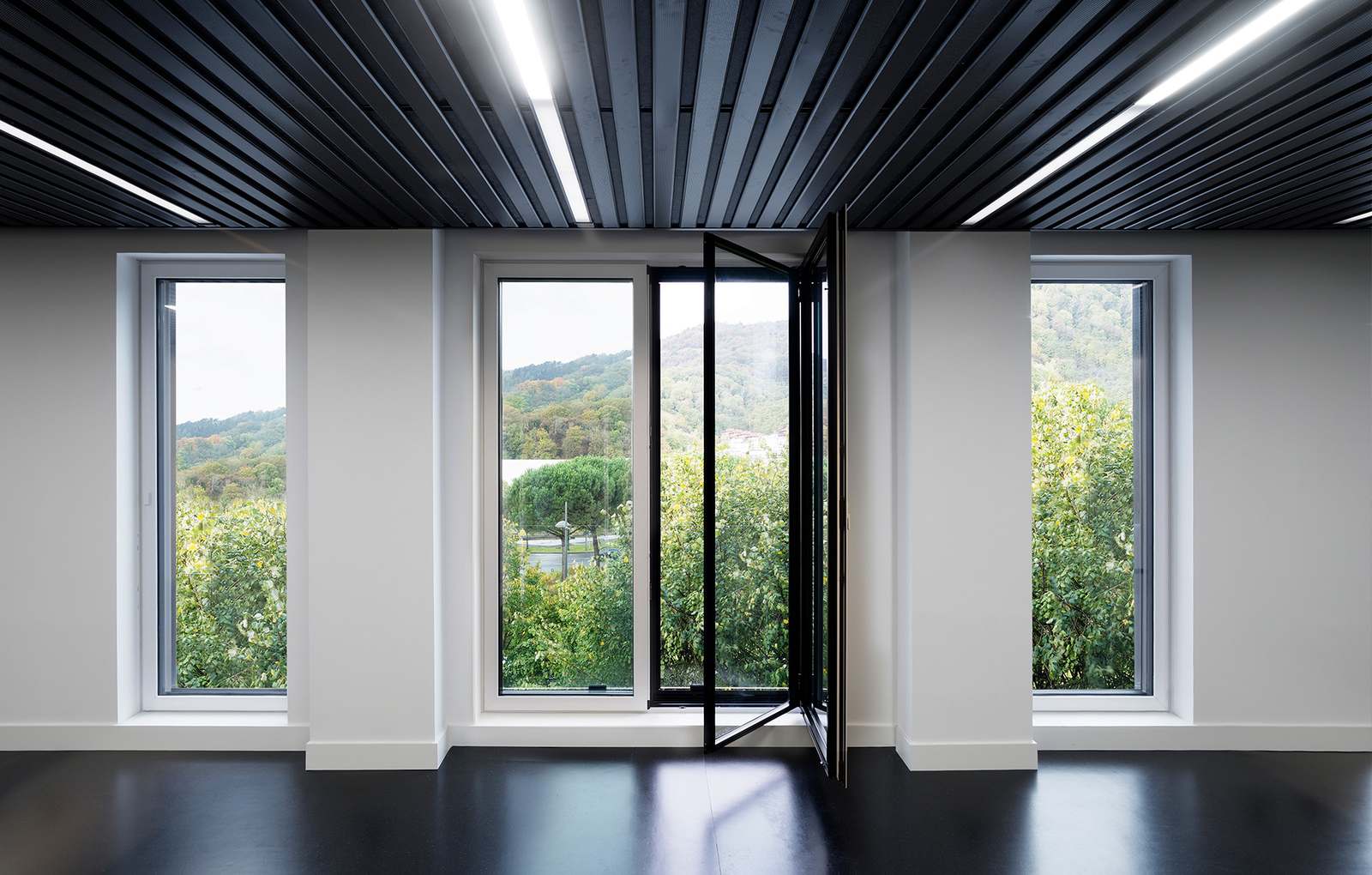
Glazing capacity
Mass comes from the profiles, glass and other components, but glass is the element with the largest surface area. Therefore, the key factor is glazing capacity: the greater it is, the thicker the glass units that can be installed.
Recommendations for reducing diffraction
Install laminated glass and ensure that at least one pane is 6 mm thick or more. Use glass panes of different thicknesses, placing the thinner one on the outside, include air chambers of at least 12 mm and use special interlayers to attenuate vibration.

Filtration
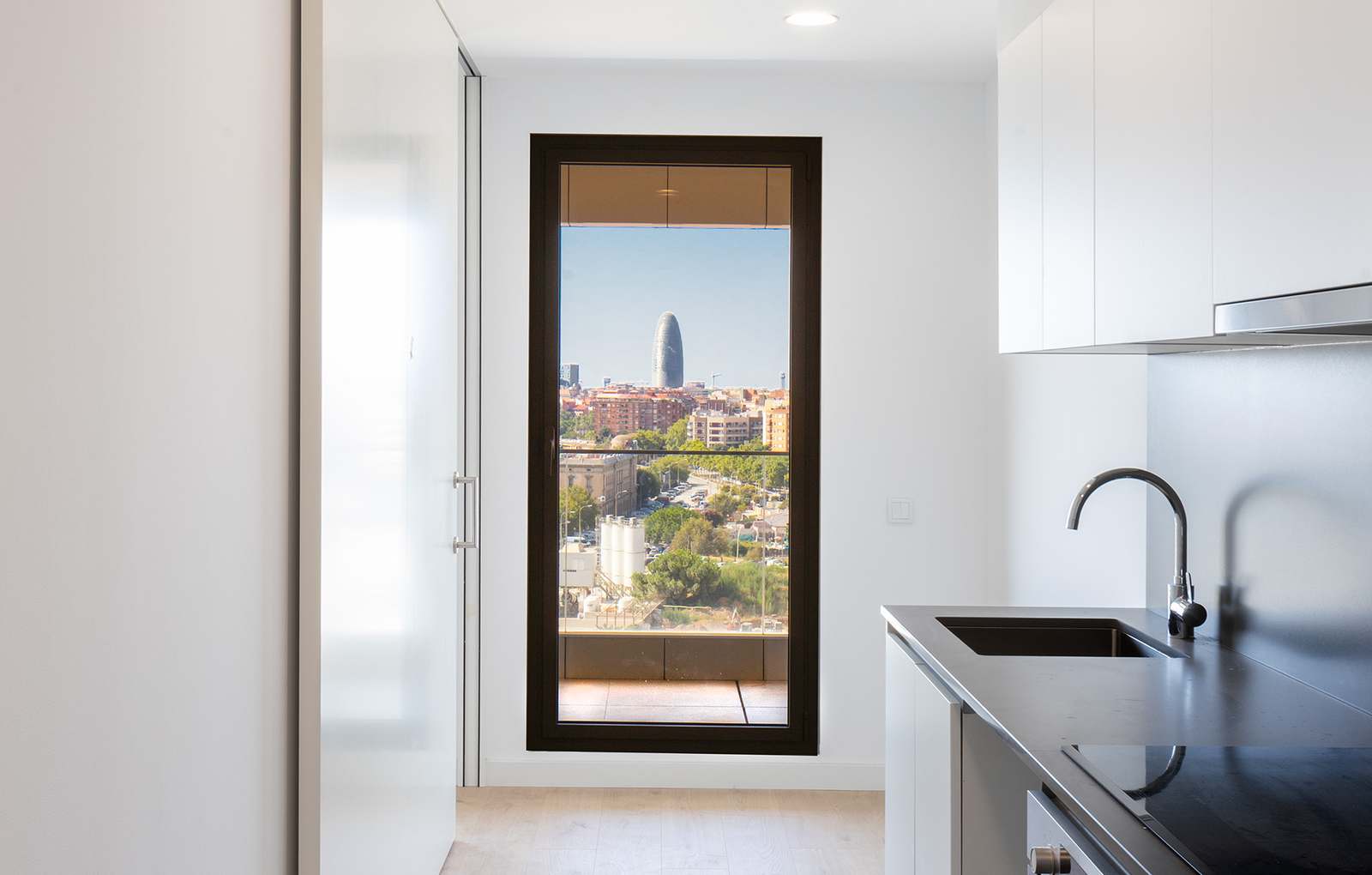
Noise can also enter through small gaps or openings in the window or shutter box. If air passes through, noise passes through. Hinged windows generally offer better acoustic insulation than sliding windows because they use gaskets instead of brushes and achieve greater airtightness.
Recommendations for avoiding filtration
For hinged windows, a good air permeability value is Class 4, while sliding systems should reach Class 3 or higher. It is also just as important to choose a good window as it is to entrust its manufacture and installation to specialised professionals.